
Dummy Organization 1
March 21, 2024
United For Mama
The following is a summarized interview with Isra Chaker, humanitarian advocate, activist, and campaign lead for the global For Mama campaign, which has brought maternal and newborn health to the forefront this Ramadan.
IRUSA: How was the idea for the For Mama campaign born?
ISRA: It started over a year ago: I was in conversation with Dr. Alaa Murabit about how incredible the philanthropic Muslim community is, but that there is a serious gap in how we show up for the health of mothers and newborn babies. And so, this conversation opened up a lot of questions for us: Would our community respond to a campaign for maternal and newborn health? What are the trends of giving that already exist in this niche? What are the giving trends overall?
We had so many questions, but no answers, and we had no idea if a campaign like this would get traction and would be successful. But, we also knew that our community’s mothers — Muslim mothers — are the most-vulnerable in the world, with the highest global mortality rate, so, we had to try, and, from there, a plan was born to build out the idea.
My first step was to reach out to organizations to see if this would be something they’d be behind. I started asking a lot of questions: What comes to mind when they think of maternal health? What would their donors think? I was really trying to scope out where the Muslim philanthropic sector was when it came to the health of newborns and moms, and I discovered that there was a really big appetite to support something like this.
We organized a consultation workshop to figure out what this campaign may look like, and invited 15 charity partners, including Islamic Relief USA, to come together as a community, and to talk about the idea. It was amazing — there was so much good energy around it and everybody we spoke with wanted to be involved! We realized that, through these conversations, a campaign was already forming, and we started figuring out what the core values would be and what we needed to do to turn the concept into a campaign. We launched an advocacy campaign in September 2023 with the objective of raising awareness and salience, and to gauge engagement and support from the wider Muslim. This campaign launch served as a predecessor to a fundraising campaign that would follow in Ramadan.
IRUSA: That’s amazing, masha’Allah. You already outlined a bit about your role in getting this all going, but why did you decide to get involved?
ISRA: What brought me here was my personal journey of becoming a mom.
I faced many health struggles in my journey of becoming a mom, getting pregnant, and then during my pregnancy; I developed a heart condition, and it was a big struggle. I quickly realized how difficult it was to be experiencing that, and how little support actually exists. I felt this as someone who is in the US; has doctors and healthcare readily available to her, but there was a lack of understanding and support within our community of what the experience is like for people who struggle on any or all fronts of that path to becoming a mom: the prenatal journey, during pregnancy, and after-birth journey. When we first started talking through this idea, I had just recently become a mom and I decided then, that if I could do anything to leave a legacy in this world, it would be to support moms and babies’ health. It motivated me to not only be a part of this campaign but to really invest so much of my life into making it a sustainable effort for our community globally.
IRUSA: What an intertwined journey! Of course, you’re still coping and dealing with a lot of the effects of that, and maybe it’s not exactly right to say it this way, but, alhamdulillah, you are, at least, kind of on the other side of it.
ISRA: That’s exactly what I was going to say: I’m on the other side, and now equipped with so much knowledge and experience. Alhamdulillah — 100%!
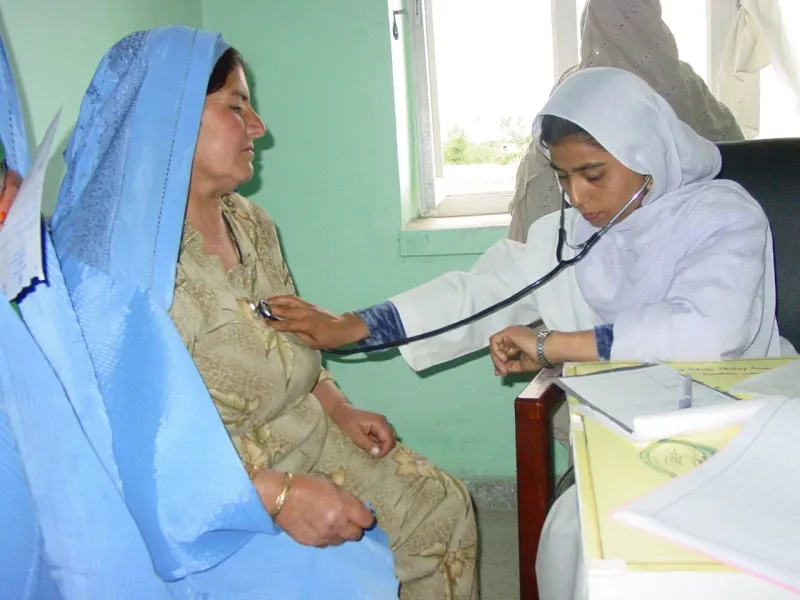
IRUSA: The coalition has grown outside of that initial 15 members you mentioned earlier–how many organizations are involved now, and why do you think that that number or even the international grouping of organizations is important?
ISRA: We were very intentional about starting in the US — we were very consensus-driven and coalition-driven, and all of the decisions were driven by these founding organizations. We were very strategic about seeing what the trends of giving and data demonstrated, which was that the Muslim community in the UK was highly engaged in philanthropic giving. These charities are very important to the puzzle piece of the global philanthropic community. Therefore we decided based on this info and more, that if you wanted to build something sustainable, and you want to respond to maternal, newborn, and child health (MNCH) needs on a worldwide scale, you had to get UK charities involved.
I organized a convening in the UK for about 20 humanitarian organizations. We got a lot of positive feedback, and a lot of challenging feedback. Through the conversations, we also realized that this was the first time these organizations were together in one room–it was a wonderful side effect of the campaign, a campaign that, we’ve discovered, convenes us and pulls us together in this powerful and beautiful way, so I wanted to make it part of the narrative.
Now, we have more than 30 charities in the US and UK that are supporting this campaign, and of those, 24 are actively fundraising this Ramadan, for programs all around the world, from Palestine to Syria to Pakistan to Mali to Somalia and the Horn of Africa, and beyond — the For Mama campaign really is global and that is beautiful part of it all.
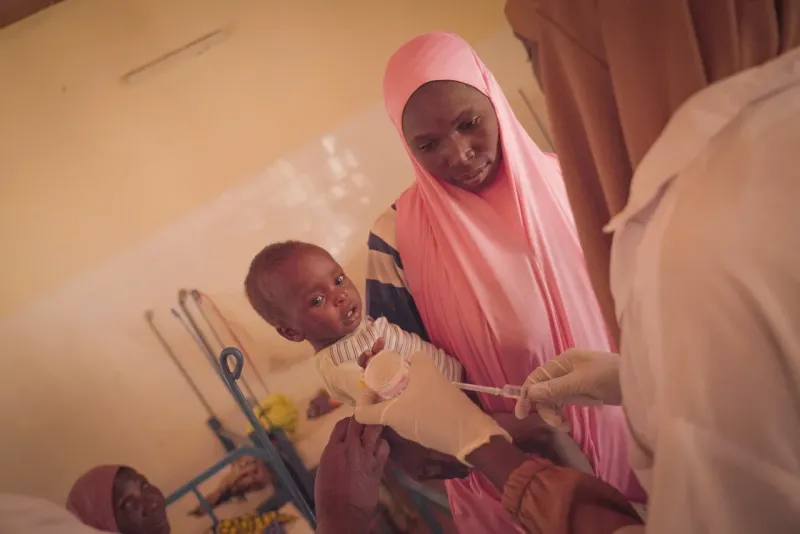
IRUSA: It is very beautiful, masha’Allah! Earlier in the conversation, you expounded on why something like this, like For Mama, is important, and you talked about what prompted you to do this, what conversations you were having, etc. We can all agree that a campaign like this is ALWAYS important given the way that the world is, but what is it about right now that makes this campaign stand out and that makes it resonate with people?
ISRA: First and foremost, the current state of this world: The horrifying state of this world is what brings the urgency, and speaks volumes to why this campaign is a necessity.
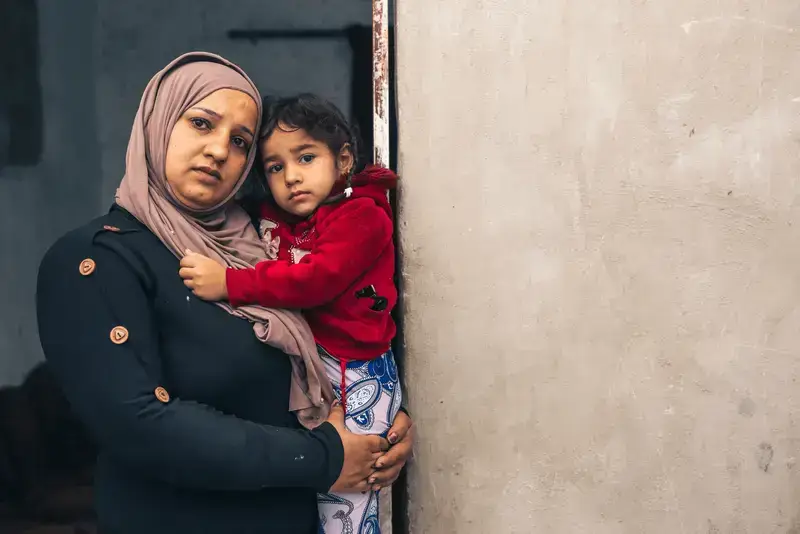
We see, conflict after conflict, crisis after crisis, where women and children carry the biggest brunt and burden in the impact of political, humanitarian, and natural disasters. Women and children are among the most-vulnerable, and mothers in particular are affected exponentially–those who are pregnant, those who are caring for children, those who have to give birth under extremely volatile and violent conditions — the ways they are specifically impacted is absolutely frightening.
We hear the stories and see the posts on social media that go viral about the impact of what it means to give birth in these settings or have to care for children in these settings. And the stories we hear about babies in the Natal Intensive Care Units (NICUs); the babies who don’t have formula–unable to get the most-basic needs; all of it speaks directly to why a campaign like For Mama is absolutely critical. Quite frankly, it’s shocking that we haven’t been able to establish something like this for as long as we’ve been around as a philanthropic community, which has been decades upon decades upon decades.
The world is showing us “why now,” and I believe that is all part of Allah’s (SWT) plan: To show us and uplift the importance of us giving back and recognizing our responsibility as an Ummah to support mothers and babies and their health globally.
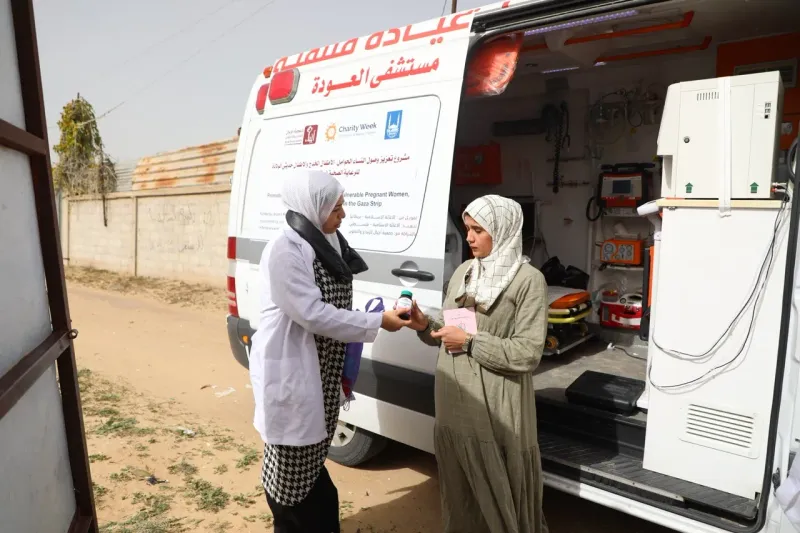
Another reason on “why now” is because as the world progresses, and we recognize the role of mothers and babies, and become more educated on their experiences and their health, we realize realize that, of course, priority giving should be for food and water, but, it must also be given for health because, how is a family supposed to thrive if they are only given the basic necessities of food and water, but their health, their overall wellbeing, is not prioritized, and given to … whether that be psychosocial, their physical wellbeing, physiological, medical services, medication, or general care.
There is this shift in our community where, I think, we’re becoming more aware of the nuances. It’s becoming less taboo to talk about these important real-life issues, and we’re recognizing that priority giving must include health, or else we’re doing a disservice to our mothers and babies.
IRUSA: Yes, it’s extremely important. It’s extremely important, and it’s just going to get more important. With that, I know there was the pledge portion of this that kicked off in September 2023, we have the fundraising component that is going on now, during Ramadan. What do you see as the future of this campaign?
ISRA: There’s no intention of ever ending this campaign. Actually, this is no longer a “campaign;” it’s now a movement that we’re building, and we want to keep the community engaged to keep it growing. And, insha’Allah we can get even more charity partners involved, and invest more into MNCH programs. So, this is truly just the beginning. We’ll be having more conversations post-Ramadan until we develop a framework and a vision in terms of how we want to approach this work as a community collectively — for forever, honestly, sustainably.
IRUSA: This is very exciting, masha’Allah! To close out, what would you say to readers about how they should get involved? And is there anything else that you’d like to add for this blog about the For Mama movement?
ISRA: What I’d like to add is that it’s amazing that IRUSA is involved and bought into this because we know and we trust the incredible work that IRUSA has done for decades–it needs no introduction!
And I’d just emphasize again that this is truly just the beginning: The spark that organizations like IRUSA and the other partners in the coalition have created by recognizing and amplifying the importance of MNCH is, hopefully, going to be the opening of an opportunity toward long-term, sustainable commitments to prioritize giving to MNCH efforts in the same ways we prioritize giving to food, water, and orphan support, as an example.
When we center programs that address maternal mortality, and we work to save the lives of moms and babies, we build communities that thrive, are resilient, and that continue to create positive impact globally in a way that starts at the root, that starts at mom. The root of all healthy communities is MOM.
To get involved with the For Mama campaign, visit irusa.org/formama. All donations during Ramadan will be matched (for every $3 you give, there will be a $1 match), so your donations will go further to center and support the health of moms and babies around the world. All donations to IRUSA’s For Mama campaign qualify as Zakat.
Read our story

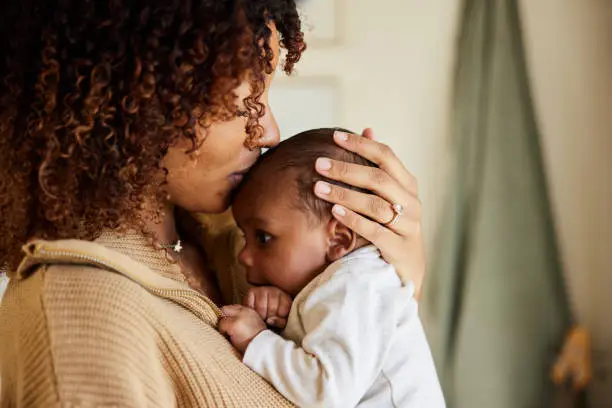
Dummy Organization 1
July 19, 2024

Dummy Organization 1
July 23, 2024